A key benefit of our solutions

Water Independence

How Kavida can help a site depend less on water it has to buy, pump or import — by retaining and productively using more of the rainfall and runoff already reaching the land.

Water independence

Greater Water Independence, Site by Site

Water you never knew you had — the rainfall and runoff already reaching your land.

Retain more runoff. Reduce avoidable evaporation. Build water-resilient landscapes. Advance water independence.

Most sites respond to water scarcity by sourcing more water: deeper bores, larger storage, longer pipelines, higher pumping costs or purchased supply. Kavida targets an additional opportunity within the landscape water balance: retain environmentally appropriate runoff, reduce avoidable losses and support productive soil moisture so more local rainfall and runoff remain useful.

Design intent

  • Work with the rainfall already reaching the site
  • Reduce avoidable evaporation and runoff losses at source
  • Target low-energy or passive operation where feasible
  • Work with natural landscape processes rather than against them
  • Scale through staged, modular deployment
  • Keep long-term maintenance requirements low where practicable

Potential value

  • Potential to reduce reliance on purchased, pumped and transferred water
  • Potentially reduce pumping and irrigation demand
  • Use local rainfall where it falls, subject to water-quality and site requirements
  • Opportunities to reduce operating and maintenance costs
  • May support greater continuity of supply through dry periods and drought
  • Potentially less exposure to water-allocation and water-pricing pressure

Evidence before scale-up

Greater water independence has to be measured, not assumed.

Water balanceCompare rainfall, runoff, retained moisture and relevant losses over a defined period.
DemandMeasure any change in irrigation or pumping demand against the existing or control condition.
Environmental responseCheck water quality, salinity, drainage, vegetation and downstream effects.
Lifecycle valueCompare construction, monitoring and maintenance costs with the useful water benefit achieved.
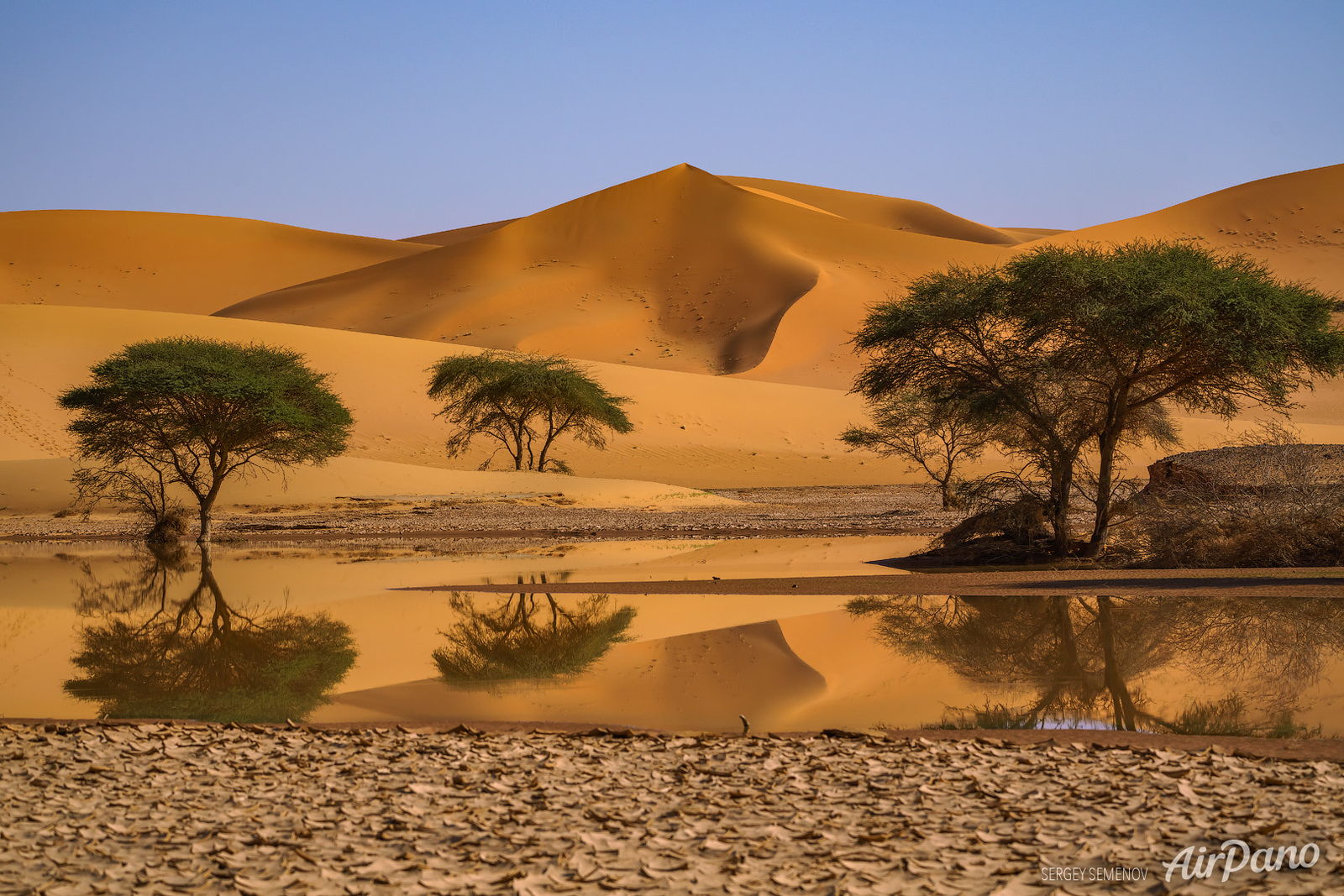
Arid desert landscape with established trees and retained water

Innovation & development

Beyond conventional irrigation.

Kavida Arid Solutions is developing next-generation water and landscape management technologies designed to improve water-use efficiency, enhance soil moisture retention, and reduce overall water demand across arid and semi-arid environments.

Key benefits

  • Potentially reduce irrigation water demand
  • Integrate irrigation with runoff capture and reuse
  • Minimise non-beneficial evaporation losses
  • Increase effective root-zone moisture
  • Potential to lower operating and maintenance costs
  • Enhance long-term agricultural and environmental sustainability
  • Improve resilience to drought, heat, and climate variability

Our approach complements existing irrigation systems while introducing innovative water-management strategies that improve landscape performance, increase water productivity, and maximise the value of available water resources.

Our Objective
Maximise the value of every litre of water by increasing beneficial use, reducing losses, and strengthening landscape productivity and resilience.
Manage Avoidable Evaporation While Supporting Plant Transpiration Manage soil moisture more effectively to reduce unnecessary evaporation while maintaining healthy plant transpiration, vegetation growth, and ecosystem function. Through improved soil hydrology, water distribution, vegetation establishment, and runoff utilisation, Kavida solutions help retain moisture within the root zone where it delivers the greatest benefit, supporting healthier and more productive landscapes with reduced water inputs.
Evaporation = water loss from soil, water bodies and exposed surfaces. Transpiration = water loss through plant leaves and bodies. Evapotranspiration = evaporation + transpiration combined.

Designed to work with natural landscape processes, Kavida solutions help capture, retain, distribute, and utilise water more effectively, reducing environmental impacts, improving water-use efficiency, and supporting resilient landscapes with lower long-term maintenance requirements.