Assess first. Pilot carefully. Scale what works.
Engineering Water Retention Through Evaporation Management / Reduction
Rainfall is valuable. Irrigation water is expensive. Yet available water can be lost to evaporation before it benefits landscapes, agriculture, ecosystems or communities.
Retain more runoff. Reduce avoidable evaporation. Build water-resilient landscapes. Advance water independence.
- Reduce avoidable evaporation losses
- Improve water retention and infiltration
- Protect runoff from avoidable loss
- Build greater water independence on site
- Strengthen drought resilience
- Identify opportunities to reduce reliance on costly infrastructure
- Enhance long-term water security
Capture water where it falls. Keep it where it matters.
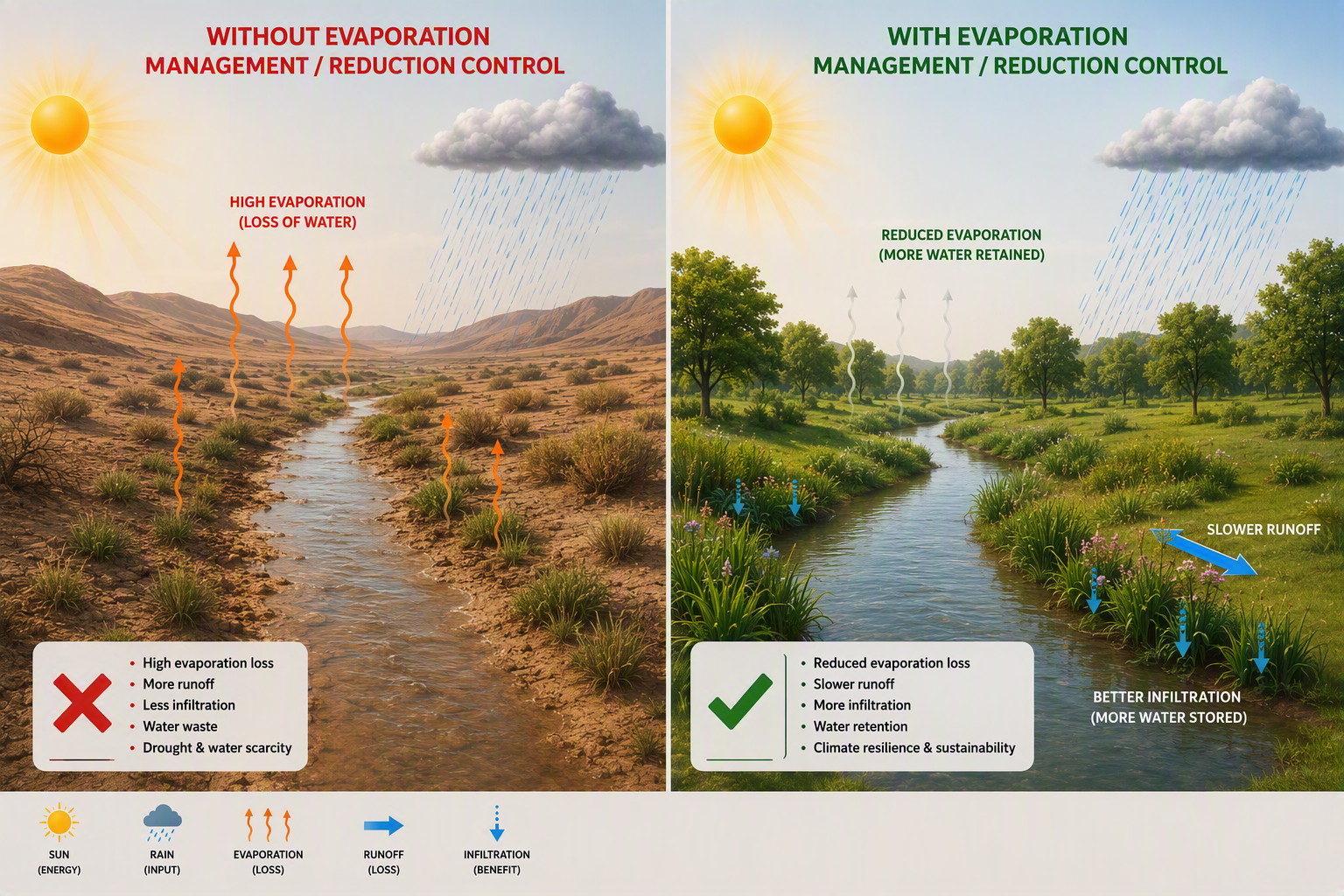
Lose less water. Retain more water.
Water retention, infiltration and resilience begin with understanding where water is being lost.
30+ yearsEngineering, surveying, drainage and water-infrastructure experience
NZ-basedBrowns Bay, Auckland
Pilot-firstAssess → test → monitor → refine → scale
Evidence-ledMeasured outcomes before full-scale claims
What makes us different
Water lost to evaporation is often overlooked.
Many water-management strategies focus on storing or transporting more water. Kavida begins by estimating the site’s actual water potential and losses, then asks: How much water is being lost?
Understand the full water balance before choosing the solution.
Kavida focuses on understanding the full water balance, reducing avoidable loss pathways and improving the movement, retention and beneficial use of water within the landscape.
Why Choose Kavida?
Key Benefits at a Glance
Kavida works with natural landforms and water processes to capture, retain and make better use of available water, supporting more resilient landscapes, healthier ecosystems and sustainable communities.
Evaporation Management / Reduction & Runoff Loss Reduction
Manage avoidable evaporation and slow or retain environmentally appropriate runoff so more available water can remain useful within the landscape.
Water Security & Water Independence
Increase water self-sufficiency by making better use of rainfall and runoff already reaching the site, reducing reliance on external water where evidence supports it.
Lower Infrastructure Costs
Potentially reduce demand for extensive pipelines, pumps, storage and associated energy use, with capital and operating benefits assessed site by site.
Nature-Based, Low-Maintenance Solutions
Work with natural landforms and processes through practical, site-responsive designs intended to minimise ongoing maintenance requirements.
Groundwater Recharge & Land Restoration
Improve infiltration, soil moisture and vegetation recovery, with groundwater-recharge opportunities assessed where soil, drainage and hydrogeology are suitable.
Affordable Green Corridors Along Existing Roads
Explore cost-effective ways to use suitable road, building and hard-surface runoff to support greener, more resilient adjacent landscapes.
Support Desertification Reversal & Ecosystem Regeneration
Complement land-rehabilitation programmes by improving water retention, soil moisture and vegetation establishment across degraded and arid landscapes.
Soil Protection & Climate Resilience
Slow water movement, enhance infiltration and reduce erosion and sediment loss while supporting healthier soils and more resilient landscapes.
Benefits and achievable outcomes are site-specific. Kavida assesses suitability first and uses monitored evidence before recommending wider deployment.
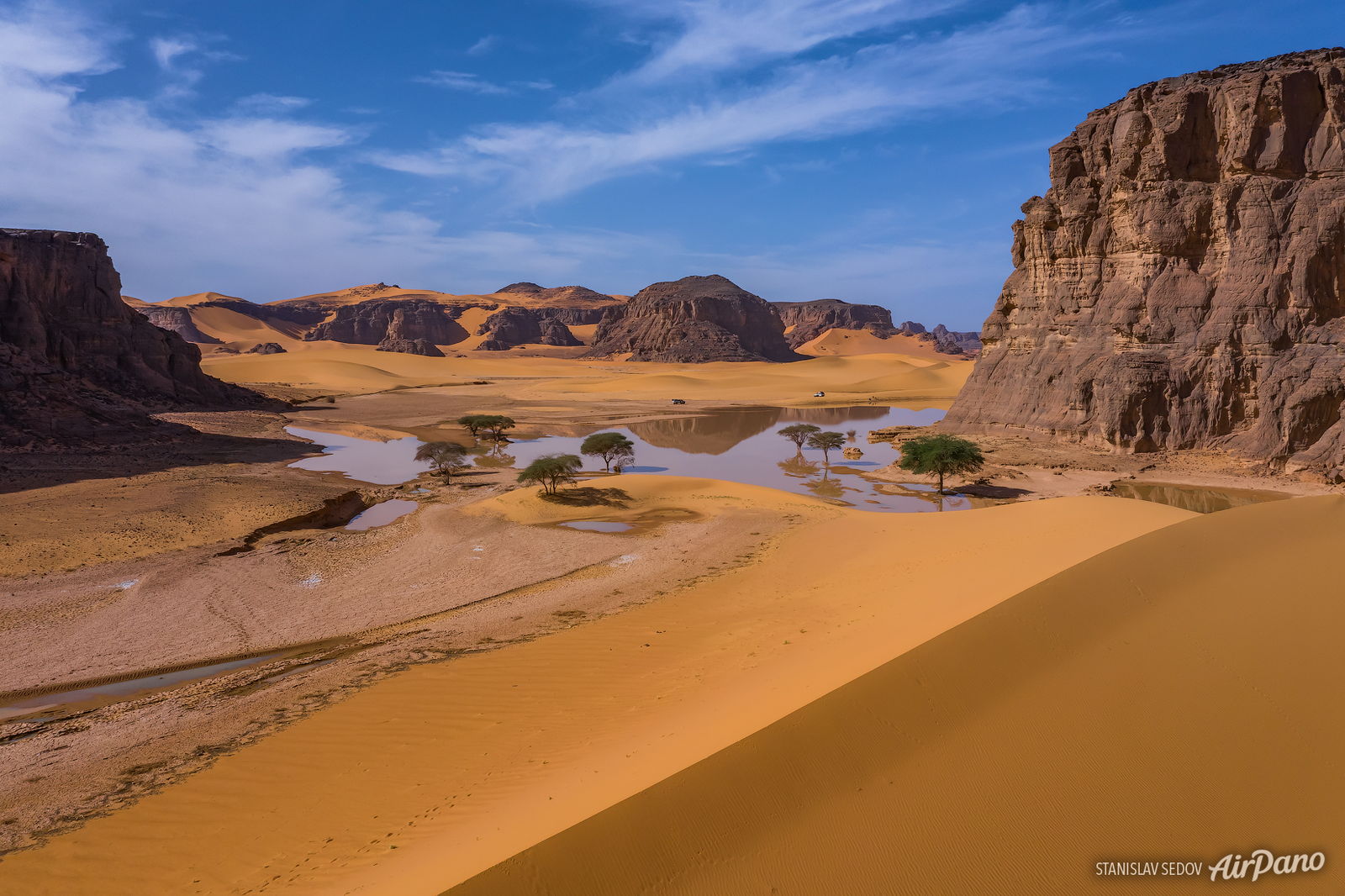
The Global Water Challenge
From Water Loss to Water Value
Kavida helps landscapes retain more water, reduce losses, and improve long-term resilience.
In many landscapes, a significant proportion of rainfall and runoff can be lost through rapid runoff, evaporation, or inefficient water utilisation.
Water scarcity, groundwater depletion, flooding, soil degradation, and evaporation losses continue to impact agricultural productivity, environmental health, and community resilience worldwide.
Kavida helps identify opportunities to retain more water within the landscape through improved runoff management, enhanced infiltration, increased soil moisture retention, and more effective use of available water resources.
Every Drop Retained Strengthens Resilience
In an increasingly water-constrained world, efficiency alone is often not enough. Capturing, retaining, and making better use of rainfall and runoff can support healthier soils, more resilient landscapes, and more sustainable long-term outcomes.
Where would you like to go next?
First stepRequest a complimentary initial screeningA short suitability review using customer-provided information. One short form.Start your complimentary initial screening →
What we offerSee Kavida’s service capabilitiesNine service capabilities supported by a five-stage engagement pathway from complimentary initial screening through paid assessment, monitored pilot evaluation and evidence-led deployment.View all services →
Partners and investorsPilot site, validation and investmentKavida is seeking a suitable pilot site, an independently monitored evaluation and aligned partners or investment.Talk to us about a partnership →